If you have spent any time in a Sydney pub pokies room or scrolled through a mobile betting app over a flat white, you have probably noticed that modern video slots no longer sit still. The reels spin, symbols vanish, and fresh icons tumble into place without a single lever pull. That cascading mechanic has reshaped how punters approach digital slots across the country, and it is worth understanding the mechanics before you drop a tenner into the next game. The avalanche feature pokies trend has moved from niche software curiosities to mainstream floor fillers, and Australian players are now chasing those chain reactions with the same focus they once reserved for a Saturday arvo race.
The shift matters because the payout rhythm feels different from the classic fixed-reel setups that dominated the early internet casinos. Where a traditional spin resolves in one clean moment, a tumbling grid keeps the action moving until the board settles. That extra momentum changes bankroll management, session length, and even the way you read a bonus round. If you want to see how a modern cascade title compares to a straight spin-and-hold game, you can check the options at where’s the gold online pokies and watch how the screen reacts when a winning cluster disappears. The rest of this piece breaks down what is actually happening under the hood, why the mechanic resonates with local punters, and how to approach it without blowing the budget before the next pay cycle.
| Casino Platform | Cascade Mechanic | Local Payment Options | Bonus Transparency | Player Support Hours |
|---|---|---|---|---|
| Joe Fortune | Standard tumbling grid with multiplier steps | POLi, PayID, credit cards | Clear wagering terms published upfront | 24/7 phone and chat |
| Neighbour Platform | Cascading symbols with sticky wilds | Direct bank transfer, cards | Bonus rules explained in plain English | Business-hours live chat |
| Regional Operator | Basic symbol drop without multipliers | Eftpos, select wallets | Terms vary by promotion | Email-only support |
How the cascade mechanic actually works
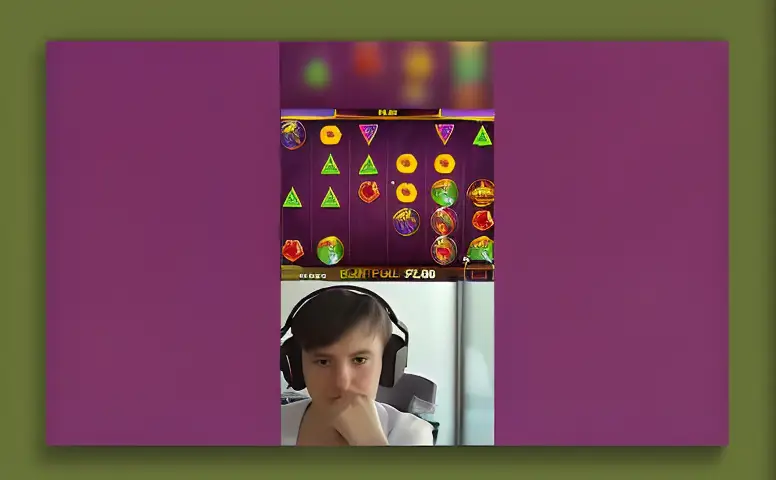
The core idea is straightforward: when a winning combination lands, those symbols clear from the grid and everything above them drops down to fill the gaps. New symbols then spawn at the top, and the process repeats if another winning line forms. Each cascade can trigger a higher multiplier, a special symbol reveal, or a bonus trigger, depending on the software provider. The loop continues until the board stops producing winning clusters, at which point the round ends and the total payout is tallied.
That repeating cycle is what separates this style from a standard payline spin. You are not waiting for a single outcome and then starting fresh; you are riding a short chain of events that can build quickly. Some titles add a risk element by letting a single bad drop end the sequence early, while others pad the experience with free spins or expanding icons. The result is a pace that feels closer to a live dealer round than a static slot, and that pace is exactly why the mechanic has caught on with everyday punters.
Why the mechanic fits Australian playing habits
Australians have long treated pokies as a quick-hit pastime, often fitting a few spins between work shifts, footy training, or a weekend trip to the coast. The cascade style matches that rhythm because it compresses multiple micro-outcomes into a single session. You do not need to commit to a long, drawn-out round to feel the momentum; the screen keeps moving until the chain breaks, which suits players who want a clear beginning and end to each bet.
That pacing keeps the experience casual enough for a quick coffee break yet engaging enough to hold attention across a full session. ScreenHub notes how this design philosophy aligns with local viewing habits and digital entertainment trends. Readers can explore the full breakdown of session-based play on ScreenHub’s gaming analysis.
The language around the mechanic also lands naturally here. Racing has gifted Aussie speech with phrases like neck and neck and down to the wire, and those expressions map neatly onto a grid that keeps tightening until the last symbol drops. When a cascade is hovering on the edge of a bonus trigger, the tension feels familiar to anyone who has watched a sprint finish at the track. That cultural fit helps explain why the style has spread so quickly through local online lobbies and mobile apps.
That same tension carries straight into the digital arena, where modern interfaces keep the pace frantic and the margins razor-thin. For players chasing that final spin, where’s the gold online pokies delivers the same heart-in-mouth thrill. You can explore the full lineup at where’s the gold online pokies.
Reading the volatility and bankroll impact
Not every cascade title behaves the same way, and the volatility rating is the first thing worth checking before you play. A high-volatility game will often deliver longer dry stretches between winning chains, then pay out in larger bursts when the grid finally cooperates. A lower-volatility version tends to produce more frequent, smaller cascades that keep the balance ticking along without dramatic swings. Knowing which camp a game falls into helps you decide whether your session is meant for a quick flutter or a longer grind.
Bankroll management becomes more important because the repeated drops can eat through a balance faster than a single-spin game. A practical example for an ordinary Australian reader: imagine you are splitting a casual session between a couple of drinks and a footy replay, and you set aside twenty bucks for the pokies app. In a cascade title, those twenty bucks might stretch across several mini-chains, each one ending with a small win or a quick reset, so you need to decide in advance whether you are chasing a big multiplier or just enjoying the visual rhythm. If you treat each cascade chain like a separate micro-session, you are less likely to chase losses when the grid goes quiet.
Bonus rounds and comp culture in practice
When a cascade grid triggers a bonus, the mechanics often shift to give the player more control or more frequent symbol drops. Free spins, expanding wilds, and multiplier escalations are common add-ons, and they usually kick in after a specific symbol combination or a set number of cascades. The bonus phase is where the session can change character, because the base game’s rhythm gives way to a more structured reward pattern.
That structure mirrors the way land-based venues have always treated player rewards. RFB comps cover a player’s room, food and beverage, and the same idea of bundled value shows up in online bonuses when operators bundle free spins, deposit matches, and cashback into a single promotion. The key is to read на онлайн-ресурсе бренда the terms rather than assume the package is a straight gift. Wagering requirements, game weighting, and time limits can turn a generous-looking offer into a tight puzzle if you do not check the fine print before you start.
Choosing the right title and setting limits
Picking a cascade slot comes down to matching the game’s rhythm to your own playing style and budget. Some titles lean heavily on visual flair and frequent small drops, while others hold back for bigger multiplier jumps that arrive less often. Reading the paytable, checking the volatility label, and watching a few demo rounds can save you from dropping into a game that feels too fast or too slow for your taste.
A few practical pointers can help you narrow the field before you commit any real money:
- Check the volatility rating and match it to your session goal, whether that is steady action or occasional bigger payouts.
- Read the bonus terms before you claim a promotion, especially the wagering multiplier and any game restrictions.
- Set a firm stop-loss and a time limit before the first spin, and treat the cascade rhythm as entertainment rather than a revenue plan.
- Use local payment methods that let you track deposits easily, so you can see exactly how much you have put in during a single sitting.
- Step away when the grid goes cold for too long, because chasing a chain that will not drop often costs more than the original session budget.
If you want to compare how different providers handle the cascade style, it helps to look at a couple of established names side by side and see which one fits your pace. Joe Fortune has built a reputation among Australian players for a straightforward lobby, clear bonus terms, and a mix of cascade titles that suit both quick sessions and longer sits. The operator’s positioning makes it a useful benchmark when you are weighing up whether a new game’s rhythm matches your own.
Managing the session like a seasoned punter
Experienced players treat the cascade mechanic as a visual feedback loop rather than a guaranteed payout machine. They watch how often the grid resets, how quickly multipliers climb, and whether the bonus trigger feels reachable within their budget. That mindset keeps the session grounded, because the screen can look lively even when the balance is drifting. A calm read of the rhythm is usually more useful than trying to predict the exact moment a chain will end.
Daniel Negreanu is famous for reading opponents and narrating their likely hands, and that same habit of observing patterns before committing money translates well to slot play. You are not reading cards, but you are reading the pace of the grid, the frequency of small wins, and the point at which the bonus feels worth chasing. That observational approach keeps the session disciplined and helps you decide when to keep riding the cascade and when to call it a night.
If you are after a broader look at how local operators present these titles, you can browse the coverage at screenhub for a neighbour’s take on the latest game releases and market moves. That kind of outside perspective can be useful when you are trying to separate marketing gloss from the actual gameplay loop, especially when a new cascade title hits the lobby and everyone is talking it up.
The bottom line is that the cascade style has earned its place because it delivers a clear, fast-moving rhythm that suits the way many Australians already play. Treat each session like a controlled flutter, match the game’s volatility to your budget, and read the bonus terms before you commit. If you want to try a title that fits that approach, head to a reputable lobby, check the paytable, and spin within the limits you set before the first bet lands.